
How to Photograph Gardens During Different Seasons
Gardens never look the same twice. Light shifts, colors fade and bloom, textures harden and soften. If you want to capture a garden well, you have to work with the season instead of fighting it.
Whether you're a homeowner, a hobbyist, or even a real estate photographer Houston TX professional, understanding seasonal changes can completely transform your results. Many photography services focus heavily on interiors, but outdoor spaces deserve just as much attention. Companies like Pro Photo Listings know that strong garden imagery can elevate an entire property listing.
Here’s how to photograph gardens beautifully in spring, summer, fall, and winter without missing what makes each season unique.
Spring: Capture Energy and Fresh Growth
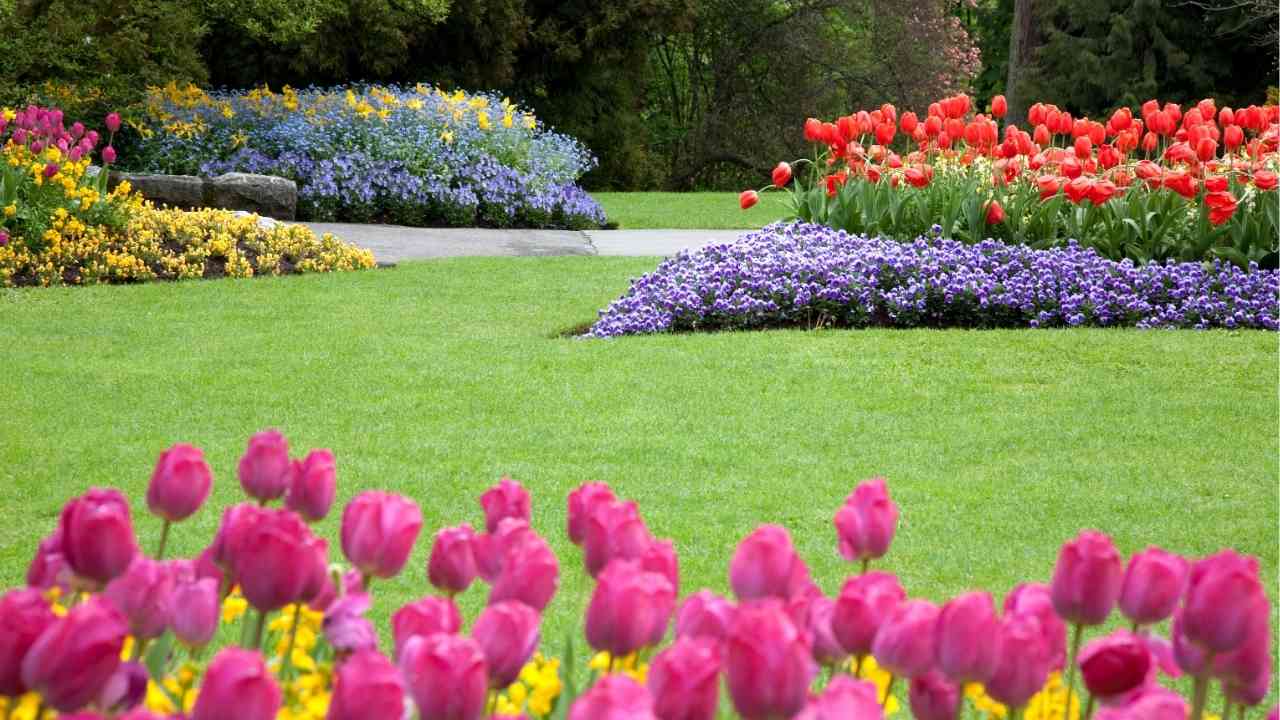
Spring is about life coming back. Everything feels soft, new, and full of promise. That energy should show in your photos.
What to focus on:
Blossoms and buds just opening
Dew drops in early morning light
Fresh green foliage
Close-ups of texture and detail
Shoot early in the morning when the light is gentle and flattering. Midday sun in spring can still be harsh, so avoid it if possible. Use a wide aperture for flower close-ups to create that dreamy background blur.
Composition matters here. Frame blooms against darker hedges or shaded areas to make colors pop. And don’t overlook pathways, garden benches, or fences, they add context and storytelling.
Spring photography is about optimism. Let your images breathe and feel alive.
Summer: Embrace Bold Colors and Fullness
Summer gardens are loud. Colors are stronger. Plants are fuller. The sun is intense. If you don’t manage the light properly, you’ll end up with blown-out highlights and harsh shadows.
Best practices for summer shoots:
Shoot during golden hour (just after sunrise or before sunset)
Use a polarizing filter to deepen skies and reduce glare
Step back to show the garden’s fullness
Capture movement; leaves in wind, bees at work
Summer is ideal for wide-angle shots. Show scale. Capture how the garden feels when it’s at peak growth. But balance those wide shots with tighter frames that highlight color contrast; reds against greens, purples against yellow blooms.
Be mindful of over-saturation. It’s tempting to crank up color in editing, but natural vibrancy looks better and more professional.
Fall: Focus on Texture and Warmth
Autumn is less about flowers and more about mood. It’s warm, layered, and textured.
Look for:
Fallen leaves on pathways
Warm-toned foliage
Shadows stretching longer in late afternoon
Garden structures partially covered in leaves
Fall light is softer and more directional, which creates depth. Use that to your advantage. Shoot from lower angles to capture backlit leaves glowing against the sun.
Textures stand out in fall: tree bark, dried grasses, layered shrubs. Use a slightly narrower aperture to keep more of the frame sharp and emphasize detail.
This season tells a story of transition. Lean into it. Don’t try to make it feel like summer.
Winter: Highlight Structure and Simplicity
Winter gardens can feel empty, but they’re not. They’re architectural.
Without leaves and blooms, the bones of the garden become visible:
Tree shapes
Pathway lines
Garden beds
Fences and pergolas
Snow can be your best friend if it’s available. It simplifies everything and creates clean contrast. On overcast days, use the soft, diffused light to capture subtle detail.
Avoid flat-looking images by adding foreground interest. A frosted branch or textured hedge can anchor the frame and create depth.
Winter photography is about restraint. Keep your compositions clean and intentional.
Case Study: Seasonal Garden Listing Success
A homeowner preparing to sell had a large landscaped backyard that looked stunning in spring but felt underwhelming in winter. Instead of relying on a single-season shoot, the photographer captured images across two seasons. Spring photos highlighted blooming flower beds and vibrant lawn space. Winter shots emphasized the elegant stone pathway and mature tree structure.
When the property went live, the listing showcased year-round appeal. Buyers could imagine the space in multiple seasons, and the home received significantly more online engagement compared to similar listings that featured only summer photos.
Final Thoughts
Gardens change constantly. That’s the beauty of them. If you approach each season with intention; adjusting your lighting, composition, and focus, you’ll create images that feel natural and compelling.
Next time you step into a garden with your camera, don’t just photograph what you see. Photograph what the season is trying to say and make every shot count. If you want professional results that showcase your property year-round, contact us to learn how expert photography can bring your outdoor spaces to life.