
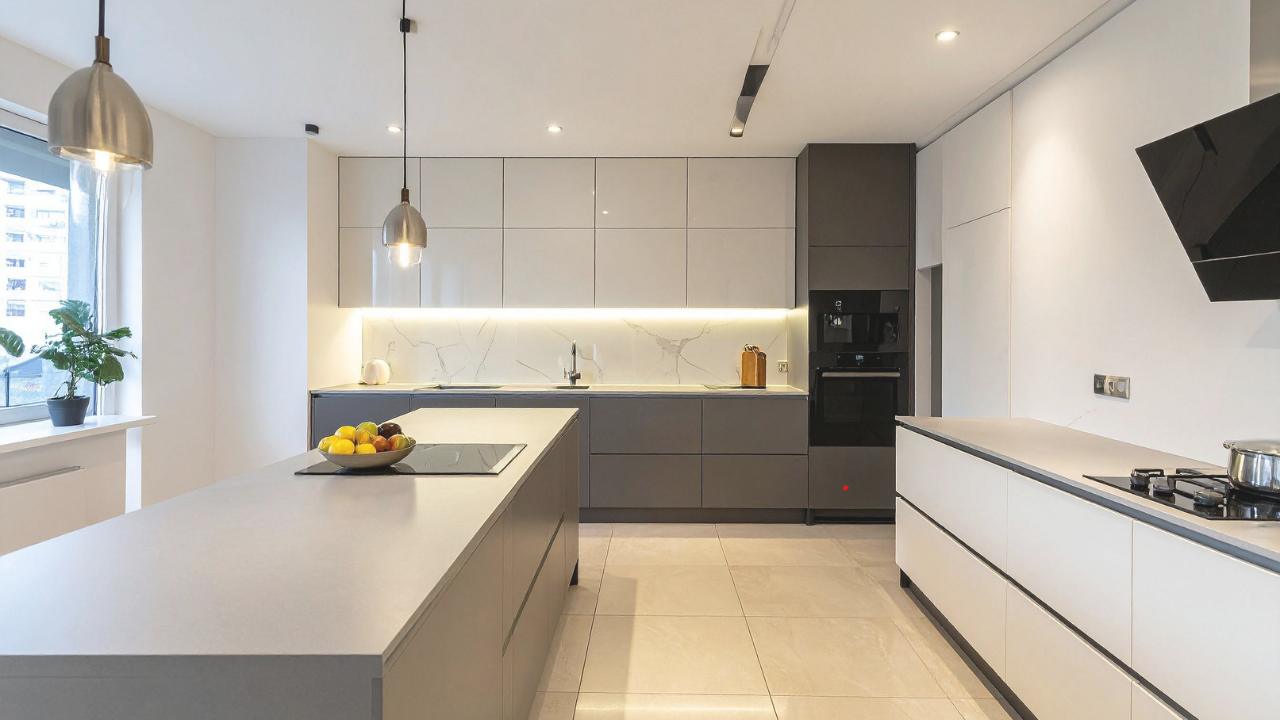
How Interior Lighting Affects the Mood and Value of a Home
The fastest way to transform a home—without picking up a hammer—is to rethink the lighting. It changes how a space feels, how inviting it is, and even how buyers perceive its value. A skilled Houston real estate photographer knows this better than anyone, because lighting can make or break a listing.
In fact, companies like Pro Photo Listings use lighting intentionally in their photography services to help homes stand out online. But great lighting isn’t only for real estate photos. Homeowners can use the same principles to boost comfort, mood, and resale potential.
This guide breaks down how lighting shapes emotions, enhances design, and increases a home’s market value—plus how to use it effectively in any room.
Lighting Sets the Emotional Tone of a Space
Walk into a dim room and your brain immediately shifts gears. Maybe it feels calm, moody, or a little gloomy. Step into a bright, well-lit space and suddenly everything seems open, fresh, and energized. Lighting triggers emotional cues instantly.
Here’s how different lighting affects mood:
Warm lighting (2700K–3000K): Cozy, intimate, and relaxing. Perfect for living rooms, bedrooms, and dining areas.
Neutral lighting (3000K–4000K): Balanced and welcoming. Works well in kitchens and hallways.
Cool lighting (4000K–5000K): Crisp and alert. Great for workspaces or bathrooms.
The goal isn’t to pick one temperature—it’s to layer lighting so the room can “shift moods” depending on the time of day.
Good Lighting Highlights the Best Features of a Home
Lighting is also a design tool. It draws the eye to what matters and away from what doesn’t.
A few ways lighting elevates interiors:
Ambient lighting gives the room general brightness and sets the baseline mood.
Task lighting (like under-cabinet strips or desk lamps) focuses attention and boosts functionality.
Accent lighting emphasizes architectural features—think bookshelves, artwork, or stone walls.
When used together, these layers turn a flat room into a dynamic, textured space. Even small changes—like adding sconces, swapping old bulbs, or updating a dated chandelier—can refresh an entire room.
If you’ve ever toured a model home and wondered why everything looks so good, lighting is one of the biggest secrets.
Proper Lighting Can Increase a Home’s Value
Buyers notice lighting even if they don’t consciously think about it. A bright, well-lit home feels larger, cleaner, and more modern. Poorly lit rooms, on the other hand, can make a home feel older or neglected.
Here’s how lighting upgrades drive value:
Higher perceived square footage: Bright rooms look bigger—simple as that.
Increased curb appeal: Exterior lighting adds security and highlights landscaping.
Stronger listing photos: Homes with intentional lighting attract more online views, more showings, and faster offers.
Energy-efficient upgrades: LED lights are a selling point because they cut utility bills and last longer.
For sellers, these improvements often offer a high return on investment.
Case Study: A Simple Lighting Makeover That Raised Home Value
A homeowner in Texas renovated nothing but the lighting before listing their property. They replaced outdated fixtures, added LED can lights in the living room, and installed warm accent lighting in the dining area. The transformation was dramatic. The home photographed beautifully, attracted more online traffic, and ended up selling above asking price. Buyers repeatedly said the home “felt brighter and more welcoming,” proving just how much lighting impacts first impressions.
Final Thoughts
Lighting affects mood, enhances design, and directly impacts the value of a home. Whether you're decorating a new space or preparing to sell, treating lighting as a priority—not an afterthought—pays off fast. Small upgrades can completely reshape how a home looks and feels.
Ready to make your home look its best? Start by rethinking your lighting—it’s one of the easiest wins in home improvement. Contact us to learn more.